What Are Disaster Relief Tents?
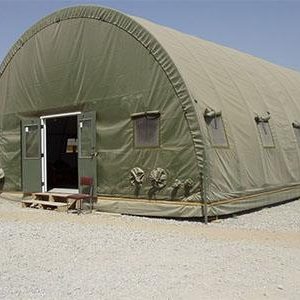
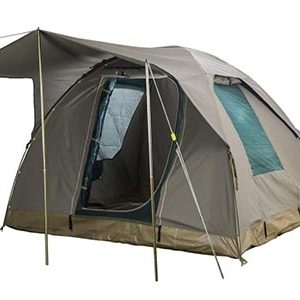
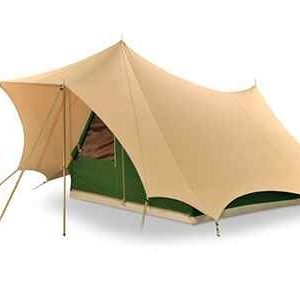
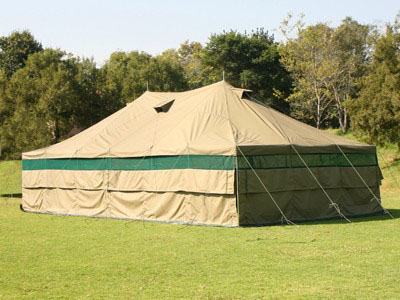
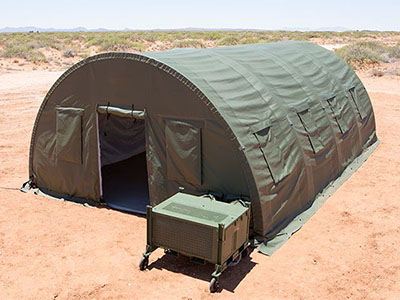
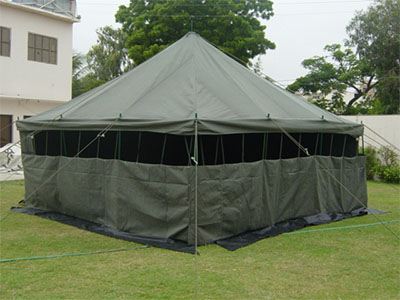
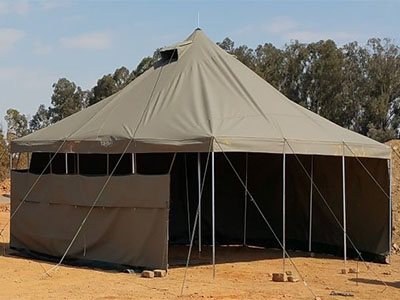
Disaster relief tents are temporary shelters made with high-quality, weather-resistant materials designed to withstand harsh environmental conditions. These tents serve as emergency housing for those affected by disasters and are essential components of disaster preparedness kits and relief operations. They are designed for rapid deployment, ease of transportation, and quick assembly with minimal tools or training.
These tents can be customized for various uses, including sleeping quarters, medical units, command centers, kitchens, storage spaces, and community shelters. Their versatility and resilience make them an indispensable part of emergency response efforts.
Key Features of Disaster Relief Tents
When choosing disaster relief tents for sale, certain features are crucial for ensuring safety, comfort, and long-term usability. Some of the standout features include:
- Heavy-Duty Canvas or PVC Material: Most tents are made of flame-retardant, UV-resistant, and waterproof fabrics.
- Quick Set-Up Design: Tents can be erected in minutes without requiring complex tools or specialized labor.
- Ventilation: Adequate windows and vents prevent condensation and allow for air circulation.
- Structural Stability: Reinforced frames and anchoring systems help withstand wind, rain, and snow.
- Modular Options: Multiple tents can be connected to create larger temporary living or operational spaces.
- All-Weather Protection: Designed for diverse climates — from freezing temperatures to extreme heat.
Benefits of Buying Disaster Relief Tents
- Immediate Response Capability: One of the biggest advantages of having disaster relief tents on hand is the ability to respond quickly to emergencies. When disasters strike, time is of the essence. Relief tents allow organizations to establish safe shelters within hours of deployment.
- Cost-Effective Solution: Compared to constructing temporary housing or using shipping containers, disaster relief tents offer a much more economical solution. They are reusable, easy to maintain, and require less logistical support for transportation.
- Portable and Lightweight: These tents are designed for easy transportation, even to remote or hard-to-access areas. Their compact storage size allows for bulk shipments in a single truck or container.
- Multi-Use Functionality: Beyond providing shelter, disaster relief tents can serve various roles — including field hospitals, dining halls, mobile command centers, and classrooms for displaced communities.
- Customizable Designs: Manufacturers offer a range of tent sizes, materials, and layouts based on specific requirements. Whether you need insulated linings, mosquito nets, flooring, or partitions, there are plenty of options to suit different field conditions.
Frequently Asked Questions (FAQs)
1. What sizes are available for disaster relief tents?
Disaster relief tents come in a wide variety of sizes, ranging from small 2-person tents to large multi-room units that can accommodate up to 20 or more people. Custom sizes are also available depending on the needs of the operation.
2. How long do disaster relief tents last?
With proper maintenance, high-quality disaster relief tents can last several years. Most are designed for long-term use and can withstand extended exposure to sun, wind, and rain. Lifespan varies based on materials, usage frequency, and environmental conditions.
3. Can disaster relief tents be reused?
Yes, most disaster relief tents are reusable. After initial use, they can be cleaned, inspected for damage, and redeployed. This makes them a cost-effective and sustainable shelter solution for repeated relief efforts.
4. Are these tents waterproof and fire-retardant?
Reputable manufacturers design tents with waterproof and flame-retardant materials. These features are crucial in disaster zones where safety and durability are non-negotiable.
5. Do you offer bulk discounts for NGOs or government agencies?
Yes, many suppliers offer discounted rates for bulk purchases, especially for verified NGOs, humanitarian organizations, and government agencies. It’s always best to request a quote tailored to your specific needs and volume.